
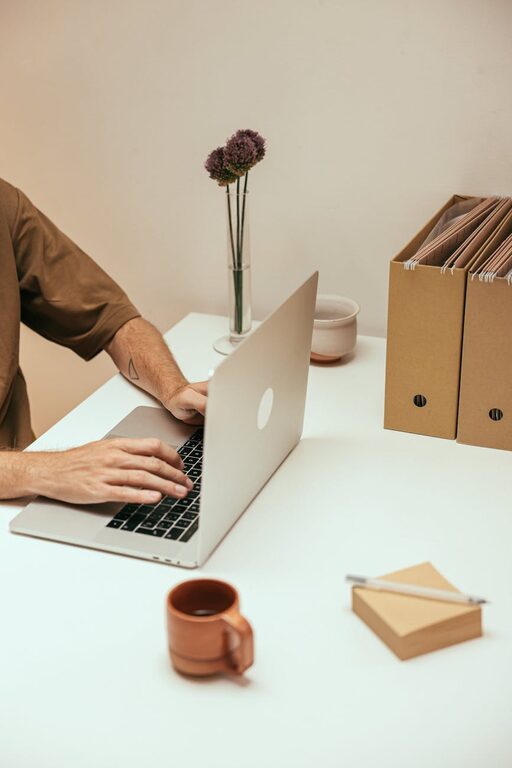
Having too much paper clutter around the house can quickly make your living space feel chaotic and overwhelming. Bills, receipts, mail, school papers, and various documents tend to pile up, creating a constant source of stress and disorganization. Fortunately, reducing household paper clutter doesn’t require a major overhaul. With a few simple habits and practical strategies, you can enjoy a cleaner, more organized home environment.
In this post, we’ll explore easy and actionable ways to cut down on paper clutter and maintain a tidier space.
Why Reducing Paper Clutter Matters
Before diving into tips, it’s helpful to understand why managing paper clutter is important:
– Creates a sense of calm: Clutter can cause visual distractions and mental stress. A decluttered space promotes relaxation and focus.
– Saves time: When papers are organized, you won’t waste time searching for important documents.
– Improves efficiency: Less clutter encourages better habits and productivity.
– Prevents loss: Important bills, receipts, or warranties won’t get misplaced or thrown away accidentally.
With these benefits in mind, let’s look at how to tackle paper clutter effectively.
1. Perform a Paper Clutter Audit
Start by gathering all the paper items you have around your home. Sort them into categories such as:
– Bills and statements
– Mail and advertisements
– Receipts and warranties
– School and work documents
– Personal letters and cards
This exercise helps you see what you have, and decide what to keep, toss, or digitize.
2. Go Paperless When Possible
One of the most powerful ways to reduce paper clutter is to switch to digital alternatives:
– Bills and statements: Sign up for e-billing through your service providers and banks.
– Receipts: Use apps to photograph and store receipts digitally instead of keeping paper copies.
– Subscription services: Opt for digital subscriptions to magazines and newspapers.
– Important documents: Store scans of birth certificates, insurance papers, and warranties on your computer or cloud service.
Electronic documents are easier to organize and take up no physical space.
3. Use a Dedicated Mail Station
Designate one spot in your home for all incoming mail and paperwork. This could be a tray, basket, or a small filing box. As mail comes in:
- Sort immediately into “keep,” “action needed,” and “recycle” piles.
- Handle urgent mail like bills or RSVP cards without delay.
- Recycle junk mail right away to avoid buildup.
Having a single mail zone prevents stray papers from scattering around your home.
4. Create an Organized Filing System
A simple filing system helps keep important papers accessible and neatly stored:
– Use labeled folders or expandable files.
– Sort documents by category, such as “Bills 2024,” “Medical Records,” or “Tax Returns.”
– Keep only necessary documents; shred or recycle outdated papers.
– Review and declutter your files every few months.
For small amounts of paper, a few folders are enough to stay organized.
5. Limit Incoming Paper
Be proactive in reducing how much paper enters your home:
– Contact your service providers and ask to receive statements and bills electronically.
– Register with the National Do Not Mail List to cut down on junk mail.
– When signing up for newsletters or offers, opt for emails instead of printed materials.
– Unsubscribe from unwanted catalogs and magazines.
Reducing incoming paper is the first step to controlling clutter.
6. Digitize and Store Important Documents
Scan or photograph important papers you want to keep but don’t need in hard copy. Use a scanner or smartphone app to create digital versions, then:
– Store files in clearly labeled folders on your computer or cloud storage.
– Backup important digital files regularly.
– Shred or recycle the original paper unless a physical copy is legally required.
Digital storage takes up no physical space and is easier to organize.
7. Develop a Regular Paper Management Habit
Consistency is key to preventing paper piles from growing:
– Set aside 10–15 minutes once a week to sort, file, and shred papers.
– Stay on top of mail daily or every few days.
– Review and purge unnecessary papers monthly or quarterly.
Small, regular efforts keep clutter under control.
8. Use Tools to Make Paper Management Easier
Some helpful tools include:
– Shredder: For securely disposing of sensitive documents.
– Filing cabinets or boxes: Compact storage for papers you need to keep.
– Desktop organizer: To keep immediate “to do” papers tidy.
– Receipt apps: To capture and save receipts digitally.
– Label maker: For clear and neat folder labeling.
Choosing the right tools can simplify your organization.
9. Repurpose Papers When Possible
If you prefer not to waste sheets of paper with notes or quick reminders, consider recycling the backs of used papers for drafts or grocery lists. This minimizes new paper usage.
10. Handle School Papers Selectively
Schoolwork and artwork can accumulate quickly. Create a system such as:
– Keep only a few special pieces per child each year.
– Digitize artwork by photographing it before recycling the originals.
– Let kids choose their favorite creations to save in a memory box.
This prevents mountains of paper from building up.
—
Final Thoughts
Reducing household paper clutter is both achievable and rewarding. By adopting simple habits like going paperless, using a dedicated mail station, and maintaining an organized filing system, your home will feel more peaceful and manageable. Remember, the key is consistency — take small steps regularly to keep your paper piles under control.
Start with these easy tips today and enjoy a clutter-free space tomorrow!