
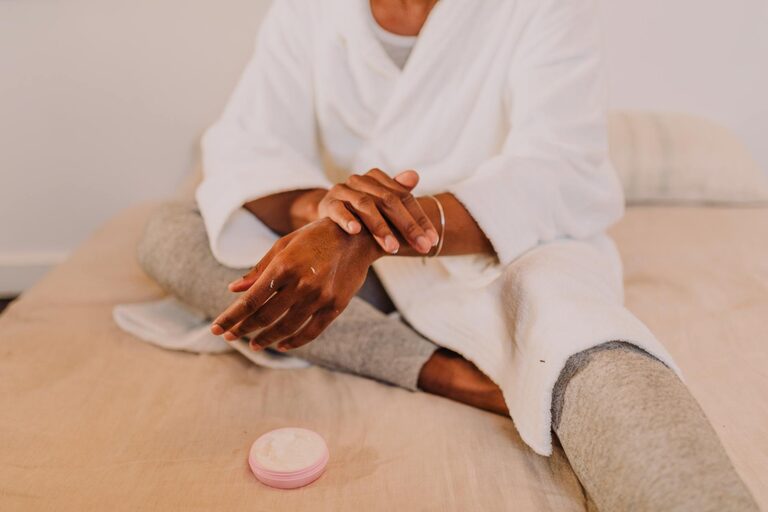
Taking care of yourself is essential, but it doesn’t have to be expensive or complicated. Sometimes, the best way to recharge is by practicing self-care right in your own home. Whether you’re looking to relax, boost your mood, or simply take a break from daily stress, these low-cost self-care ideas are easy to incorporate into your routine. Let’s explore a variety of activities that nurture your body and mind without stretching your budget.
Why Self-Care Matters
Self-care involves activities that improve your physical, mental, and emotional health. When done regularly, it can reduce stress, improve focus, enhance mood, and promote overall well-being. The good news is that self-care doesn’t mean spa days or expensive products. Small, intentional actions are just as effective.
—
Simple and Low-Cost Self‑Care Ideas at Home
1. Create a Relaxing Bath Experience
You don’t need fancy bath oils or salts to unwind. A warm bath alone can relax your muscles and calm your mind. To elevate the experience, consider:
– Adding a few drops of essential oils like lavender or eucalyptus (optional but affordable)
– Playing soothing music or nature sounds
– Lighting candles or dimming the lights for a peaceful atmosphere
Taking 15-20 minutes to soak can be a wonderful way to reset after a busy day.
2. Practice Mindfulness Meditation
Mindfulness meditation helps you focus on the present moment, reducing anxiety and promoting calmness.
How to start:
– Find a quiet and comfortable spot at home.
– Sit or lie down, closing your eyes.
– Focus on your breath—inhale slowly and exhale fully.
– When your mind wanders, gently bring your attention back to your breathing.
You can begin with just 5 minutes a day. There are many free guided meditations available online to assist you.
3. Journaling for Mental Clarity
Writing down your thoughts and feelings can help you process emotions and identify what’s on your mind.
Tips to get started:
– Use any notebook or even a simple piece of paper.
– Write freely without worrying about grammar.
– Try prompts like “Today, I’m grateful for…” or “What made me smile today?”
– Set a timer for 5–10 minutes to keep it manageable.
Journaling can provide insight and reduce mental clutter.
4. Home Yoga and Stretching
Yoga improves flexibility, strength, and relaxation. If you don’t have a mat or special equipment, a carpeted floor works fine.
Getting started:
– Use free online videos tailored for beginners.
– Focus on gentle stretching and deep breathing.
– Practice 10–20 minutes daily to feel refreshed.
Yoga not only benefits your body but helps clear your mind.
5. DIY Face Masks and Skincare
Pampering yourself with a facial can feel luxurious and doesn’t require costly products. Ingredients from your kitchen such as honey, oats, yogurt, or avocado can be great for your skin.
Example recipe for a simple mask:
– Mix 2 tablespoons of plain yogurt with 1 tablespoon of honey.
– Apply to your face and leave for 15 minutes.
– Rinse with warm water and pat dry.
Always test a small patch of skin first to avoid irritation.
6. Reading for Pleasure and Learning
Set aside time to read a book, magazine, or articles that interest you. Reading can be a great escape and a way to stimulate your brain.
Suggestions:
– Join a local library for free book access.
– Explore ebooks or audiobooks online.
– Pick topics that bring you joy or curiosity.
Making reading part of your self-care routine nurtures your mind.
7. Cooking a Healthy Meal
Eating well supports your overall health. Cooking your own meal at home is cost-effective and allows you to choose nutritious ingredients.
Try:
– Preparing a simple recipe you enjoy.
– Experimenting with fresh vegetables or herbs.
– Cooking mindfully—focus on the experience rather than rushing.
Cooking can be a rewarding act of self-love.
8. Nature Time in Your Own Space
If you can’t get outside, bring nature indoors.
Ideas include:
– Caring for houseplants or indoor herbs.
– Sitting near a window and observing the outdoors.
– Listening to nature sounds.
Interacting with nature, even this way, helps reduce stress and refresh your mind.
9. Digital Detox
Taking a break from screens can improve sleep and reduce feelings of overwhelm.
Try these tips:
– Designate tech-free times during your day.
– Turn off notifications for a few hours.
– Engage in offline activities like drawing, puzzles, or crafts.
Limiting screen time helps you be more present and relaxed.
10. Creating a Cozy Space
Your environment influences your mood. Spend time tidying or rearranging a corner of your home to make it a cozy retreat.
Suggestions:
– Use soft blankets, pillows, or warm lighting.
– Display photos or items that bring joy.
– Add calming scents like a homemade potpourri.
Having a special place for rest encourages regular self-care moments.
—
Tips for Making Self-Care a Habit
– Start Small: Incorporate one or two activities a day. Even 5–10 minutes count.
– Be Consistent: Make self-care part of your regular routine.
– Listen to Yourself: Pay attention to what feels good and adjust as needed.
– Keep it Simple: Self-care isn’t about perfection—relax and enjoy the process.
– Set Boundaries: Don’t feel guilty about taking time for yourself; it’s important.
—
Final Thoughts
Self-care can be affordable, simple, and effective. By dedicating time to nurture your well-being at home, you’ll feel more balanced and energized. Whether it’s a calming bath, a few minutes of meditation, or cooking a comforting meal, these ideas can make a big difference. Remember, taking care of yourself is not a luxury—it’s a necessity!
Try some of these low-cost self-care practices and discover which ones bring the most joy and relaxation into your life. Your well-being is worth it.